Buying a Coastal or Waterfront Home in Rhode Island: Flood Insurance and More (2026)
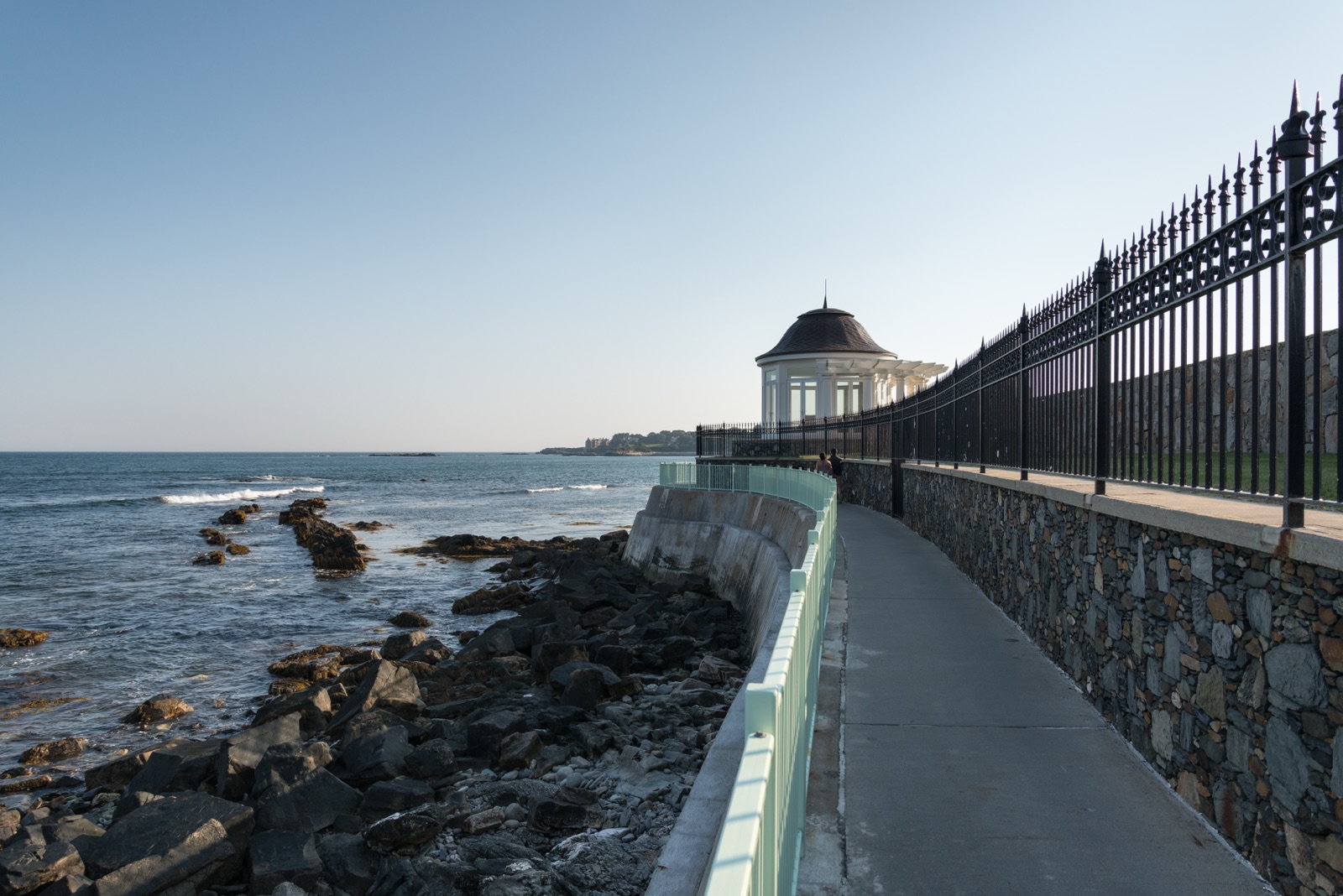
Let me give you the short answer first, because it is the thing most coastal buyers wish someone had told them before they fell in love with a house.
Before you buy a coastal or waterfront home in Rhode Island, the two biggest items to understand are the flood zone the property sits in and the flood insurance that zone requires. Those two things drive your real monthly cost more than almost anything else, and they can swing a deal by a lot. Everything else (wind coverage, salt-air maintenance, erosion) matters too, but flood is the one that surprises people at the closing table.
I am dual-licensed in Rhode Island and Southeastern Massachusetts, and I also run a digital marketing agency, so I spend a lot of my day in data and details. Coastal RI is where those details really earn their keep. Here is how I walk buyers through it.
Why coastal Rhode Island is a different kind of purchase
Places like Narragansett, South Kingstown, Westerly, Newport County, Bristol, Barrington, and the shoreline stretches of Warwick are beautiful for the same reason they carry extra homework. They are close to the water. Proximity to the ocean, a bay, a pond, or a tidal river can put a home in a mapped flood area, and that changes the math on insurance, financing, and long-term upkeep.
None of this should scare you off. Plenty of people own coastal homes here happily for decades. The goal is simply to know the full cost and the full picture before you write an offer, not after.
**A quick note:** I am a real estate agent, not an insurance agent or a flood specialist. Treat everything below as general 2026 guidance to help you ask better questions. Always verify current specifics with a licensed insurance professional, your lender, and the town before you rely on any number.
Flood zones and how to check them
Flood risk in the US is mapped by FEMA on what are called Flood Insurance Rate Maps. Every property falls into a flood zone, and the zone is basically a shorthand for how likely flooding is.
A few zones you will run into on the RI coast:
- **Zone X** is the lower-risk designation. Flood insurance is usually not federally required here, though it can still be a smart idea in some spots.
- **Zone AE** is a higher-risk area (a Special Flood Hazard Area) tied to a base flood elevation. Lenders generally require flood insurance here.
- **Zone VE** is the coastal high-hazard zone, meaning areas exposed to wave action during a major storm. This is typically the most demanding and most expensive zone for both insurance and construction standards.
How to actually check a property:
- Look up the address on FEMA's Flood Map Service Center to see the mapped zone.
- Ask the town or the local floodplain administrator, since they deal with these maps constantly and can flag local nuances.
- Talk to an insurance agent early and get an actual quote for the specific address, not a general estimate.
- If the home has a mortgage history, the current owner's lender likely already required a flood determination, which is worth asking about.
One thing I always tell buyers: maps get updated. A home that was Zone X years ago can be re-mapped, and vice versa. Check the current map, not what a neighbor remembers from a while back.
Flood insurance: NFIP versus private, and who has to carry it
Flood damage is generally not covered by a standard homeowners policy. That surprises people. You buy flood coverage separately.
There are two main sources:
- **The National Flood Insurance Program (NFIP)**, a federal program. Under FEMA's newer rating approach, NFIP premiums are priced more to the individual property's risk than the old flat-zone tables were.
- **Private flood insurance**, offered by private carriers. Depending on the home, private policies can sometimes offer higher coverage limits or different pricing than the NFIP. Sometimes they beat the NFIP quote, sometimes they do not.
**Who must carry it:** if you are financing with a federally backed mortgage and the home sits in a high-risk zone (like AE or VE), your lender will almost certainly require flood insurance for the life of the loan. If you are paying cash, it may not be legally required, but going without coverage on a waterfront home is a large bet to make.
On cost, I will be honest rather than pretend there is a tidy number. Flood premiums vary widely. Two homes on the same street can carry very different premiums based on elevation, construction, and zone. I have seen annual flood premiums that are modest and others that run into the thousands. That is exactly why you get a real quote for the specific address before you commit. Do not budget off a rule of thumb.
Elevation certificates and why they matter
An elevation certificate is a document, prepared by a licensed surveyor, that records how high the building's key elevations sit relative to the base flood elevation for that zone.
Why you care: in higher-risk zones, elevation is one of the biggest levers on your flood premium. A home built well above the base flood elevation can cost meaningfully less to insure than one sitting right at or below it. If a coastal listing already has an elevation certificate, that is helpful. If it does not, factor in the possible cost and time to have one done, and ask your insurance agent how much elevation is likely to move your quote.
This is one of those quiet details that separates a smooth coastal purchase from a stressful one.
Coastal and wind insurance
Flood is the headline, but it is not the only line item. Standard homeowners insurance on the coast tends to run pricier than inland, and here is a wrinkle many first-time coastal buyers miss:
Many coastal policies carry a separate **wind or hurricane deductible**. Instead of a flat dollar deductible, storm-related wind damage may be subject to a percentage of the home's insured value. On a higher-value coastal home, that percentage can translate into a significant out-of-pocket number if a named storm causes damage. It is not a reason to walk away, but it is absolutely something to read closely and understand before closing.
Some coastal properties also face tighter availability or specific requirements from insurers. The practical takeaway is the same one I keep repeating: line up your insurance conversations early in the process, not the week before closing.
Salt, erosion, and coastal maintenance
Owning near the ocean means the environment is a little more demanding on the house itself. Worth planning for:
- **Salt air** is hard on metal, so exterior fixtures, railings, HVAC components, and fasteners can corrode faster than they would inland. Stainless and other corrosion-resistant materials earn their price here.
- **Wind and weather** put more stress on roofs, siding, and windows. Storm-rated windows and solid roofing hold up better and can matter for insurance too.
- **Erosion and shoreline change** are real considerations for truly waterfront lots. Understand where the property lines sit relative to the water and whether any coastal setback or regulatory rules apply. In Rhode Island, coastal development is regulated, so ask about any permits or restrictions tied to the shoreline.
- **Routine upkeep** simply runs a bit higher. Budget for more frequent painting, sealing, and hardware replacement than a comparable inland home.
None of this is exotic. It is just a slightly different maintenance rhythm, and coastal owners get used to it.
The upside, because there is a big one
I have spent this whole article on homework, so let me be clear about the other side of the ledger. Coastal Rhode Island is one of the most desirable places to live in New England, and for good reason.
Water views, beach access, boating, and that particular quality of coastal light are lifestyle benefits that are genuinely hard to replicate. Well-located coastal and waterfront homes also tend to hold strong long-term appeal, because the supply of real waterfront is fixed and the demand for it is not. When you buy with eyes open on flood, insurance, and upkeep, you get to enjoy the good part without the nasty surprises.
That is the whole point of doing the homework. Not to talk you out of the dream, but to make sure the dream still feels good three years in.
Buy the view, but price the risk first. A coastal home you understand fully is a joy. One full of surprises is a headache.
Let's talk about your coastal search
If you are weighing a coastal or waterfront purchase in Rhode Island or Southeastern Massachusetts, I am happy to help you read the flood maps, line up the right insurance conversations, and pressure-test the real monthly cost before you fall for a listing.
[Book a consultation](/contact) and let's map out your search. If Newport County is on your list, start with [the Newport market page](/areas/newport-ri) to get a feel for the area. And if you already own a coastal home and are curious what it is worth in today's market, grab a [free home valuation](/home-valuation).

Written by
David Peterson
David is a real estate agent with Fathom Realty, dual-licensed in Rhode Island (RES.0047177) and Massachusetts (9577507-RE-S). He serves the Providence metro, the East Bay and coastal Rhode Island, and Southeastern Massachusetts, and brings a digital marketing agency background to every listing.
Need a strategy tailored for your family?
As a dual-licensed professional working on both sides of the line, I'll build custom financial models, tax maps, and school evaluations specifically for your objectives.