The Rhode Island Housing Market in 2026: An Honest Read
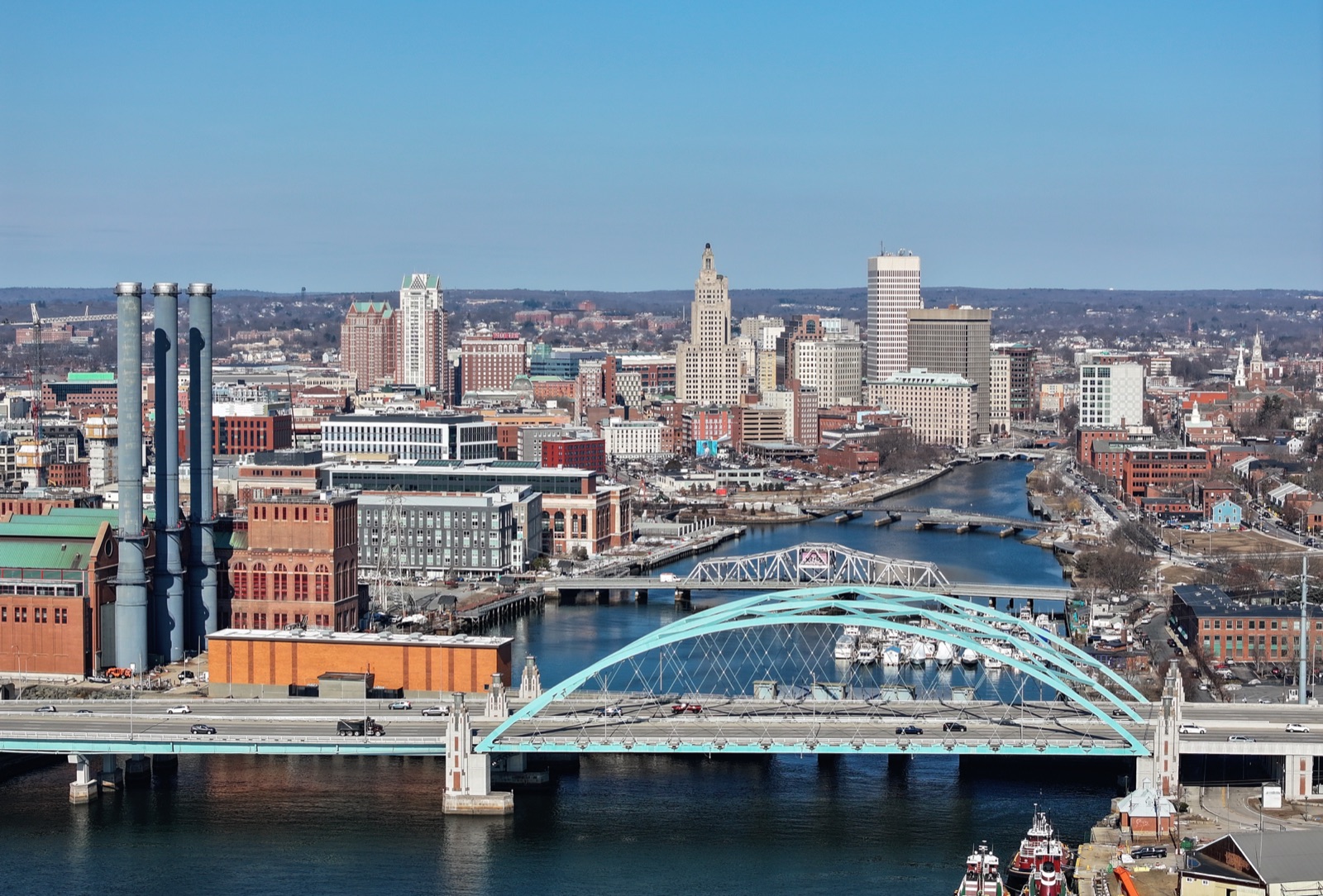
Let me answer the question people actually ask me before I bury it in three paragraphs of context. Heading through 2026, Rhode Island still leans toward sellers, but not the way it did at the peak. Inventory is thin, which supports prices. Higher mortgage rates have cooled buyer demand and stretched affordability, which caps how fast prices can climb. So you get a market that is firm but slower, competitive on the right homes and sticky on the wrong ones. That is the honest read. The rest of this is me showing my work.
I am a Fathom Realty agent licensed in both Rhode Island and Southeastern Massachusetts, and I also run a digital marketing agency, which means I look at data for a living and I am allergic to hype. You will not get a "great time to buy AND sell AND refinance" pitch from me. Some of this is opinion, all of it varies by town and price band, and none of it is investment advice. Talk to a lender and an agent about your specific situation before you act.
Inventory: still the core story
If you want to understand Rhode Island, start with supply. For years now we have had fewer homes for sale than a balanced market needs. We are a small, largely built-out state with limited new construction, slow permitting in a lot of towns, and a chunk of owners sitting on mortgage rates far below what they would get if they moved. That last piece matters more than people realize. When a homeowner has a low locked-in rate, moving means trading it for a higher one, so a lot of would-be sellers simply stay put. That keeps listings scarce.
Low inventory is the main reason Rhode Island has stayed seller-leaning even as demand cooled. When there are only a handful of move-in-ready homes in a given town and price range, the ones that show well and price right still draw real interest. Scarcity does a lot of the work that a hot market used to do.
The nuance for 2026: inventory has loosened a little from the extreme lows, but "a little less brutal" is not "buyer's market." My opinion is that supply stays tight for the foreseeable future because the structural causes (limited new building, the rate lock-in effect, strong demand for a limited housing stock) do not resolve quickly. If that holds, it keeps a floor under prices even when demand softens.
Mortgage rates: the demand and payment story
Rates are the other half of the picture, and they cut two ways.
On demand, higher rates than we saw at the bottom have pulled some buyers out of the market or pushed them down a price tier. That is real, and it is why showings and offer counts feel calmer than the frenzy years. Fewer bidders per house.
On monthly payments, the math is unforgiving. A meaningful move in rates can change a buyer's payment by hundreds of dollars a month at the same purchase price. That is the mechanism that stretches affordability. Prices did not fall much, and borrowing got more expensive, so the monthly cost of the same house went up on two fronts. For a lot of households, that is the actual barrier, not the sticker price.
Here is the part I want to be careful about. I am not going to predict where rates go in 2026. Nobody credible can, and anyone who gives you a number to the decimal is selling something. What I will say as opinion is this: if rates ease, expect demand to wake back up faster than supply can respond, which would push competition and prices back up, not down. If rates stay elevated, expect the current firm-but-slow pattern to continue. Lower rates are not automatically good news for buyers, because the buyers who cheer them tend to bid against each other. Plan around scenarios, not forecasts.
Pricing by segment
"The market" is a fiction. Rhode Island is a collection of local markets, and they are not moving in lockstep.
- **Entry-level and mid-range homes** in desirable towns remain the most competitive segment. This is where scarcity bites hardest and where a well-priced listing can still move quickly. It is also where affordability pressure is most intense, so buyers are stretched and picky at the same time.
- **Higher-end and luxury** properties generally sit longer and are more sensitive to pricing and condition. There are fewer buyers at the top, and they have leverage to wait.
- **Homes needing work or with real drawbacks** (busy road, dated systems, awkward layout) are where I see the clearest softening. Buyers who are already stretched on payment have little appetite to also fund a renovation.
Waterfront and coastal communities, the Providence metro, and quieter inland towns can each tell a different story in the same month. This is exactly why a portfolio-level headline number is close to useless for your decision. What matters is your town, your price band, and your specific house.
What it means if you are selling
The core message has not changed, and it is the least glamorous advice in real estate: pricing right still wins.
In the frenzy years you could overprice and let a stampede of buyers bail you out. That safety net is mostly gone. Today, an overpriced listing sits, accumulates days on market, and then sells for less than it would have if it had been priced correctly on day one, because buyers read stale listings as "something is wrong." The firm market rewards sellers who respect it and punishes sellers who try to outsmart it.
What actually works right now:
- **Price to the current comparable sales, not to last year's peak or your neighbor's asking price.** Asking prices are hopes. Closed sales are facts.
- **Show up in great condition.** Clean, decluttered, minor repairs done, good photos. Stretched buyers reward move-in-ready and penalize projects.
- **Be realistic about timing.** Well-prepared, well-priced homes still sell at strong prices. That is genuinely good news for sellers. But "sell in a weekend for well over ask, no questions asked" is not the default anymore.
If you want to know what your specific home would likely fetch in today's market, that is a data question, and I am happy to run the numbers with you.
What it means if you are buying
Buying in this market rewards preparation and patience over urgency.
- **Get pre-approved first, not pre-qualified, and do it before you fall in love with a house.** In a low-inventory market, when the right home appears you may need to move within days. A solid pre-approval is what lets you act without scrambling, and it tells you your real budget at today's rates before you get emotionally attached.
- **Be patient.** Lower demand means you are less likely to face ten competing offers, so you have a little more room to inspect, negotiate, and walk away than buyers had at the peak. Use it. Do not let fear of missing out talk you into overpaying for a house with real problems.
- **Focus on the payment, not just the price.** Understand what the monthly cost actually is at current rates, and buy comfortably inside it. You can refinance a rate later if the opportunity comes. You cannot easily undo overpaying for the wrong house.
- **Do not try to time the bottom.** There may not be a clean one, and the low-rate scenario people are waiting for could bring more competition, not less. Buy when the right home and a payment you can live with line up.
The Southeastern Mass border dynamic
Because I am licensed in both states, I spend a lot of time in the border markets, and this is where a lot of people leave value on the table.
The Rhode Island and Southeastern Massachusetts line runs through real commuter territory. Communities on either side often share the same commute patterns, similar commercial corridors, and overlapping buyer pools, but they can differ on price, property taxes, and local rules. A buyer set on one side of the line will sometimes find a materially better fit a few towns over on the other side, and never look because their agent only works one state.
For buyers, the border widens your options. If you are flexible on which side of the line you land, you get more inventory to choose from in a market where inventory is the whole constraint. For sellers near the line, it means your true competition and your true buyer pool may be cross-border, so pricing and marketing that ignore the other state are pricing and marketing with one eye closed.
I am not claiming one side is universally cheaper or better. It depends entirely on the town, the taxes, the schools, and the house. The point is that treating the two states as one connected market, which is how buyers actually live and commute, usually beats treating the state line as a wall.
The bottom line for 2026
Rhode Island heads through 2026 as a firm, supply-constrained, seller-leaning market that has lost its frenzy. Sellers who price right and present well still do well. Buyers who prepare, stay patient, and buy on the payment can find good homes without the peak-era desperation. Rates and local conditions will keep the picture uneven from town to town and tier to tier, so treat every general statement here, including mine, as a starting point rather than a verdict on your situation.
If you want that verdict, the honest version specific to your address or your search, let's talk. You can [book a consultation](/contact) and we will look at your actual numbers, or if you are weighing a sale, start with a [free home valuation](/home-valuation) and we will go from there.

Written by
David Peterson
David is a real estate agent with Fathom Realty, dual-licensed in Rhode Island (RES.0047177) and Massachusetts (9577507-RE-S). He serves the Providence metro, the East Bay and coastal Rhode Island, and Southeastern Massachusetts, and brings a digital marketing agency background to every listing.
Need a strategy tailored for your family?
As a dual-licensed professional working on both sides of the line, I'll build custom financial models, tax maps, and school evaluations specifically for your objectives.
Calculate Your Home's True Comparative Value